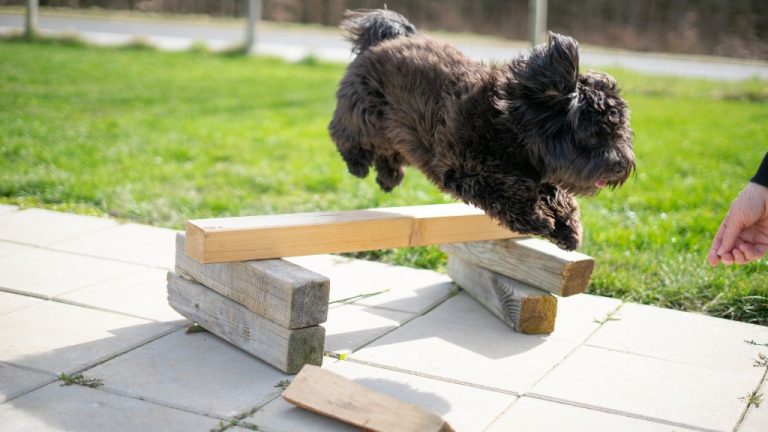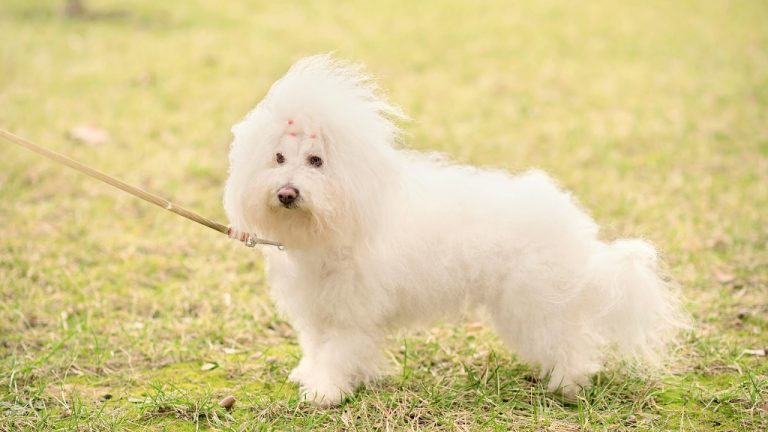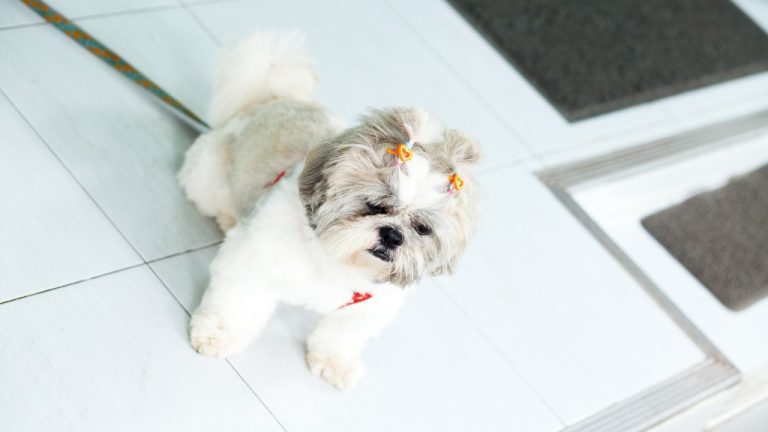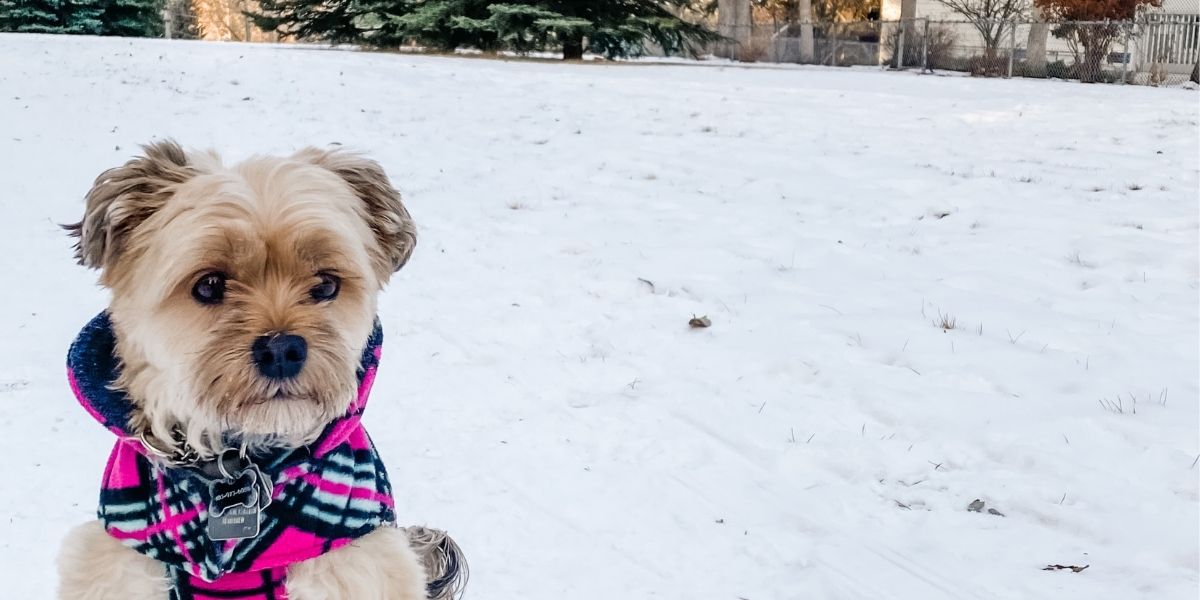


Havanese are bright, social companion dogs that usually respond well to patient, reward-based training. The most effective plan is simple: teach one small step at a time, reward the behaviour you want, prevent unwanted behaviour from becoming a habit, and practise consistently in several locations.
This guide covers Havanese puppy training, house training, crate training, socialization, basic manners, barking and alone-time skills. It avoids “alpha,” dominance and pack-leader techniques. The American Veterinary Society of Animal Behavior recommends reward-based methods for dog training and behaviour modification, while VCA Canada also describes positive reinforcement as the best training approach for Havanese.
Are Havanese easy to train?
Yes, most Havanese are relatively easy to train. They are intelligent, attentive to people and often motivated by food, play and praise. Their sensitivity is an advantage when communication is gentle, but harsh corrections can make them worried or reluctant to participate.
A Havanese may appear stubborn when the lesson is too difficult, the environment is distracting or the reward is not valuable enough. Short sessions and gradual increases in difficulty work better than repeating a cue or extending a lesson after the dog loses focus. If you want more background on how this breed thinks and behaves, see how intelligent Havanese dogs are and our guide to common Havanese personality challenges.
The foundations of successful Havanese training
- Use rewards your dog values. Tiny food treats are convenient, but toys, praise, sniffing and access to play can also reinforce behaviour.
- Mark the correct moment. Use a clicker or a short word such as “yes” immediately when the desired behaviour happens, then deliver the reward.
- Keep training sessions short. One to five minutes is often enough for a puppy. Several short sessions are more productive than one long drill.
- Make the right choice easy. Baby gates, leashes, closed doors and supervision prevent unwanted behaviour from becoming a habit.
- Increase difficulty gradually. Add distance, duration and distractions one at a time.
- Be consistent. Everyone in the family should use the same cues and household rules.
A simple daily training schedule
Training does not need to take over your day. Build it into activities that already happen. Practise name response before putting down the food bowl, recall between rooms, a brief settle while you eat and loose-leash walking during part of the daily walk. Reward calm behaviour whenever you notice it instead of waiting for your Havanese to become excited.
- Morning: toilet trip, two minutes of attention and recall practice, then breakfast.
- Midday: a short walk or play session followed by one obedience skill.
- Afternoon: supervised socialization or a calm visit to a new environment.
- Evening: mat training, handling practice and a final toilet trip.
Your Havanese puppy’s first week at home
The first week should be calm and predictable. Show your new Havanese puppy the sleeping area, toilet location, water, crate or pen and one room at a time. Too many visitors, new places and long lessons can overwhelm a tiny puppy. Establish a routine before adding more freedom.
Take the puppy outside after waking, eating, drinking and energetic play. Supervise closely indoors, offer safe chew toys and reward voluntary check-ins. Begin brief, positive handling of paws, ears, mouth and coat so future Havanese grooming is easier. A good breeder may have started basic crate, litter or potty training, but expect some regression after the move to a new home.
Essential skills to teach first
Name response and attention
Say your dog’s name once. When they look toward you, mark and reward. Practise in a quiet room before trying the exercise outside. A reliable response to their name makes every other lesson easier.
Sit, down and stay
Lure the puppy into position with a treat, mark the completed behaviour and reward. Once the movement is predictable, add the verbal cue just before the gesture. For a stay, reward one second of stillness before slowly adding duration or distance. Do not increase both at once.
Recall
Begin indoors at a short distance. Use an upbeat recall cue, move away from your dog and reward generously when they reach you. Never punish a dog after they come, even if they were slow. Use a long line in unsecured outdoor areas while the skill is developing.
Leave it and drop it
Teach “leave it” by rewarding your dog for moving away from a low-value item. Teach “drop it” as a trade: present a better reward, mark the release and then return the safe item when practical. Chasing or forcibly taking objects can create guarding.
Settle on a mat
Place a mat nearby and reward your Havanese for looking at it, stepping onto it and eventually lying down. Build duration gradually. The mat gives your dog a clear job during meals, visitors and busy household moments.
Step-by-step training help
Want a complete Havanese training plan?
Follow a structured program covering puppy manners, obedience and common behaviour problems at your own pace.
See the Havanese Training Course →Affiliate disclosure: Gateway Havanese may earn a commission if you purchase through this link, at no extra cost to you.
How to potty train a Havanese puppy
Havanese puppies have small bladders and need frequent opportunities to eliminate. House training succeeds through supervision, a predictable schedule and immediate rewards—not punishment. Take a young puppy to the toilet area after waking, eating, drinking, play and naps, plus at regular intervals while awake.
- Choose one outdoor toilet area and use the same exit when practical.
- Take the puppy on leash and wait quietly rather than turning the trip into playtime.
- Mark and reward immediately after the puppy finishes in the correct place.
- Supervise indoors or use a safe pen or appropriately sized crate for short periods.
- Watch for sniffing, circling, wandering away or sudden restlessness.
- Clean accidents with an enzymatic cleaner and do not scold after the fact.
Keep a simple log of meals, water, toilet trips and accidents for the first few weeks. Patterns quickly become visible. Bad weather can make small dogs reluctant to go outside, so use a sheltered area and reward generously. Indoor litter box training or a grass tray can help in apartments or emergencies, but consistently teach the location you expect the adult dog to use.
Progress varies by age and individual dog. A puppy may need several months to become fully reliable. Sudden house-soiling in a previously trained adult can have a medical cause, so consult your veterinarian rather than assuming it is a training problem.
Crate training without force
A crate can provide a safe sleeping area and help with travel and short periods of management. It should never be used as punishment or for excessive confinement. Select a crate large enough for the dog to stand, turn and lie comfortably.
- Leave the crate open and place treats near and just inside the entrance.
- Feed meals or special chews inside while the door remains open.
- Close the door for one or two seconds while the puppy is relaxed, then reopen it.
- Increase duration in very small steps while you remain nearby.
- Practise brief departures only after the puppy can settle with you in the room.
Some puppies initially sleep better with the crate beside the owner’s bed. If your dog is panting, drooling, trying to escape or vocalizing intensely, the exercise has progressed too quickly. Reduce the difficulty; persistent distress requires professional guidance.
Socialization: building confidence safely
Socialization means creating positive, controlled experiences with people, friendly animals, surfaces, sounds, grooming, vehicles and new environments. It is not simply letting every person or dog approach. Give your puppy space, pair new experiences with treats and stop before they become overwhelmed.
Early socialization is important, but learning continues throughout life. Arrange calm exposures to people wearing hats, children at a safe distance, household noises, car rides and veterinary handling. A puppy class that uses reward-based methods can provide structured practice once your veterinarian confirms the appropriate vaccination precautions. Because the breed is highly social, these experiences also support the friendly temperament discussed in our article on whether Havanese make good family dogs.
Preventing separation anxiety
Havanese thrive on human company, but puppies should still learn that brief periods alone are safe. Begin when your puppy is calm and has recently exercised and toileted. Give a safe chew, step out of sight for only a few seconds and return before distress begins. Keep departures and arrivals low-key.
Gradually increase alone time, mixing easy repetitions with slightly longer ones. Do not jump from a few minutes to several hours. A camera can help you distinguish quiet settling from pacing, continuous barking or panic. Severe separation-related distress is not disobedience and should be addressed with a veterinarian or qualified behaviour professional.
Loose-leash walking
Start in a low-distraction area. Reward your Havanese for standing near you and taking a few steps with a loose leash. If the leash becomes tight, pause or change direction instead of jerking it. Add distance gradually and allow appropriate sniffing breaks so the walk is rewarding.
For a complete progression from indoor practice to outdoor distractions, use our step-by-step Havanese leash-training guide.
Training a Havanese not to bark excessively
Barking is communication, so identify the trigger before choosing a solution. Common causes include visitors, outdoor activity, fear, frustration, attention and boredom. Block visual triggers where practical, reward quiet behaviour and teach an alternative such as going to a mat. Do not shout; it can add excitement or fear.
Our dedicated guide to training a Havanese not to bark provides a more detailed plan. You can also read about whether Havanese naturally bark a lot before deciding what is normal for the breed.
Positive reinforcement training that works in real life
Positive reinforcement means adding something your dog values immediately after a good choice. In the very beginning, reward frequently so your Havanese can clearly connect the behaviour with the result. Small treats, praise, a favourite toy and permission to play are all useful rewards. Positive reinforcement is most effective when the marker and reward arrive within a second or two.
Keep several short training sessions throughout the day. Begin each exercise in a quiet room, then practise in the yard and in new environments. When your dog performs reliably, make rewards less predictable instead of stopping them suddenly. You might give praise after every response while reserving treats for especially fast or difficult responses. This keeps training enjoyable without making your dog dependent on seeing food first.
Use tiny treats so your puppy does not fill up quickly. Part of a meal can become training rewards, but balance calories with the dog’s normal diet. If food is not motivating, try brief play, access to sniffing or greeting a favourite person. The point is to let the dog decide what is rewarding in that moment.
Potty training and house training troubleshooting
When potty training stalls, return to the basics of house training: close supervision, frequent trips, a consistent toilet location and immediate rewards. Most accidents happen because the puppy had too much freedom, the interval between trips was too long or the owner missed an early signal. Potty training is a management process before it becomes a reliable habit.
For two weeks, record when your Havanese puppy eats, drinks, sleeps, plays, goes outside and eliminates. Take the puppy out more often than the log suggests is necessary. If the puppy does not go, return inside for five or ten supervised minutes and try again. Once the puppy eliminates outdoors, reward and allow a little play. This teaches that potty training does not always make outdoor time end.
Indoor accidents should be cleaned thoroughly with an enzymatic product. Avoid punishment, rubbing the puppy’s nose in an accident or reacting after the event. Those responses do not teach the correct location and may cause the puppy to hide before eliminating. Successful house training depends on preventing mistakes and rewarding the right place.
Litter training and indoor toilet options
Litter training can be practical for tiny puppies, apartment residents, people with limited mobility and families dealing with dangerous weather. Use a purpose-built dog litter box, litter pan or indoor grass station rather than several loose pads around the house. Keep the litter box in one accessible location and take the puppy there on the same schedule used for outdoor potty training.
Reward litter box training immediately after the puppy finishes. If the long-term goal is outdoor house training, continue regular trips outside and use a separate cue for the indoor option. Too many litter pans or constantly changing their location can confuse a new Havanese puppy.
Crate training, sleeping and calm independence
Good crate training begins with choice. Place the crate in a quiet family area, secure the door open and toss treats just inside. Let your dog enter and leave freely. Feed near the crate before gradually moving the bowl farther inside. Over several training sessions, the crate should become a predictable sleeping area rather than a place where fun suddenly ends.
At night, many puppies settle more easily with the crate beside the owner’s bed. A very young puppy may need a quiet potty trip during the night. Keep that trip boring and return the puppy to bed after eliminating. As the puppy becomes comfortable, the crate can be moved toward its permanent sleeping location in small stages.
Never use crate training to leave a puppy confined for most of the day. Dogs need movement, play, toilet opportunities, social contact and time to explore. A baby gate or exercise pen may provide more room when longer management is needed. If your Havanese panics with the crate door closed, go back to open-door exercises and seek help before attempting longer absences.
Socialization with people, dogs, cats and new environments
Useful socialization is calm and gradual. Expose your puppy to different people, surfaces, household sounds, vehicles and new environments while providing enough distance to stay relaxed. Socialization should never mean forcing a frightened puppy to interact. Pair each new experience with treats, praise or play and leave on a positive note.
Choose healthy, socially appropriate dogs for early meetings. A quiet adult dog may be a better teacher than a crowded dog park. For cats, keep the puppy on leash, provide the cat with an escape route and reward the puppy for calm observation. Do not allow chasing. Several short sessions help dogs and cats learn to share a house more safely.
Pet stores and busy public spaces can be overwhelming for a tiny puppy. Begin at the quiet edge of an environment and watch body language. Comfortable pups can eat, explore and respond to their owner; a puppy that freezes, hides or refuses treats needs more distance. Continue socialization throughout the dog’s life rather than treating it as a one-time puppy task.
A four-week Havanese puppy training plan
Week one: routine and safety
During the first week, concentrate on house training, name response, crate comfort and a predictable sleeping routine. Introduce a collar or harness and reward the puppy for following you around the house. Keep visitors limited so the new puppy can rest.
Week two: basic communication
Continue potty training while adding sit, recall, handling and short loose-leash exercises. Use positive reinforcement in several training sessions of one to five minutes. Practise with different family members so the puppy learns that cues matter regardless of which person gives them.
Week three: confidence and self-control
Add mat training, leave it, brief stays and carefully planned socialization. Practise in the yard and one or two calm new environments. Continue crate training and begin very short departures to build independence without triggering separation anxiety.
Week four: gentle distractions
Ask for familiar behaviours around mild distractions, rewarding generously when the puppy succeeds. Increase only one challenge at a time. Keep house training supervision in place until the puppy has been reliable for several weeks; early success does not mean the dog is ready for unrestricted access to the entire house.
Training older Havanese dogs
Adult dogs can learn the same skills as puppies. Start at the dog’s current level rather than assuming previous training. A recently adopted Havanese may need time to understand the new house, family routine and sleeping area. Use positive reinforcement, clear management and short training sessions just as you would with a puppy.
If an adult dog suddenly forgets house training, becomes reluctant to enter the crate or reacts differently to people or other pets, arrange a veterinary examination. Pain and illness can change behaviour. Once medical causes are addressed, a qualified trainer can adapt the training plan to the dog’s temperament and history.
Common Havanese training mistakes
- Repeating a cue many times instead of making the exercise easier.
- Expecting a skill learned indoors to work immediately in a busy park.
- Training for too long and continuing after the dog loses focus.
- Giving the dog more freedom than their current skills can support.
- Punishing fear, growling or accidents instead of addressing the cause.
- Using “alpha,” dominance or pack-leader techniques that rely on intimidation or force.
- Waiting for unwanted behaviour instead of rewarding calm choices throughout the day.
When to get professional help
Seek qualified help for aggression, biting, severe fear, separation-related distress, persistent resource guarding or any behaviour that changes suddenly. A veterinarian should first rule out pain or illness. Choose a trainer or behaviour professional who uses reward-based methods, welcomes questions and can explain their plan clearly.
For everyday learning, books can also help you understand timing and reinforcement. See our collection of recommended Havanese training books.
Havanese training FAQ
What age should Havanese training begin?
Training can begin as soon as your puppy comes home. Start with their name, toilet routine, gentle handling and very short recall games. Keep expectations appropriate for the puppy’s age.
How long should a training session be?
For most Havanese, several sessions lasting one to five minutes are more productive than one long session. Stop while the dog is still engaged and successful.
Are Havanese difficult to potty train?
Their small bladders can make the early stages demanding, but Havanese can be reliably house trained with frequent trips, supervision, immediate rewards and a consistent schedule.
Can a Havanese use a litter box?
Yes. Some owners use a dog litter box or indoor grass tray, especially in apartments or severe weather. Use one defined location and reward the puppy immediately. If you ultimately want outdoor toileting, continue practising outside as well.
Should rewards always be food?
No. Food is convenient for teaching new skills, but play, toys, praise, sniffing and access to activities your dog enjoys can all reinforce behaviour. Gradually use real-life rewards once a skill is reliable.
Should I eat first or walk through doors before my dog?
No special order is required to establish status. Teach safe door manners because they are useful, and manage meals in whatever routine works for your household.
The bottom line
Successful Havanese training is built on clear communication, prevention, consistency and rewards. Teach small steps, practise in different places and give a puppy enough rest, exercise and appropriate socialization. Start with the skills your household needs most, then build reliability gradually rather than rushing.