Havanese vs Westie
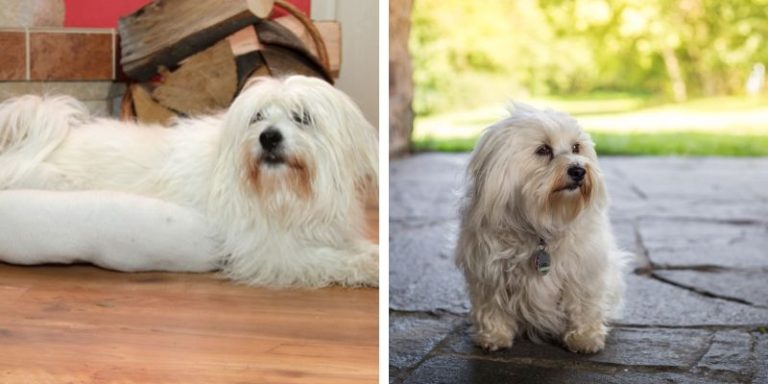
When comparing a Havanese vs Westie, the main difference is that the Havanese is a small companion toy breed with a gentle, playful temperament, many possible coat colors, and an easier fit for apartment living, while the Westie is a slightly larger pure-white Scottish terrier with a more terrier-like, active personality. For prospective dog owners, dog lovers, or anyone deciding which breed better fits their home and routine, including whether a Havanese suits family life, that distinction matters because these two popular small dogs can look similarly fluffy at a glance but differ in temperament, coat, and day-to-day needs.
Both are endearing, cuddly, stuffed-animal-like dogs, but they were bred for different roles and tend to suit different lifestyles. The Havanese is often more people-focused and can be prone to separation anxiety if left alone too often, while the Westie usually shows more independence and classic terrier traits. Below, we will go over their breed history, size, coat coloration, temperament, and even Havanese-Westie mixes, with the biggest decision point in mind: Havanese tend to suit people who want a close companion that does well in apartments, while Westies are often a better fit for those who prefer a more active, terrier-like dog.
What Is a Havanese Dog Breed?
When it comes to the Havanese, this is a toy breed of dog that was originally bred to be a companion dog, and is still well suited to being a companion dog in this day and age, too. As they are a toy breed, they do not grow to be very big.
Most Havanese will be between 8 ½ to 11 ½ inches high at the shoulder, and weigh in between 7 and 13 pounds— making them easy to pick up and carry around, or to sit on your lap. Like many small dogs, they are also beloved for their temperament. Havanese are docile, gentle, and cuddly. However, they are still energetic and playful dogs, too, and despite their size they need regular exercise, with Havanese requiring 30-45 minutes of exercise daily.
Havanese have a lifespan of 14-16 years.
Havanese Breed History
The Havanese is the national dog of Cuba, and this is where the breed first originated, too. Their ancestors were the Blanquito dog, who were brought to Cuba by Spanish settlers.
Once they were in Cuba, the settlers began to breed the Blanquito with other dogs from the Bichon family to create the offspring that were the first of the Havanese breed. Havanese quickly became popular with wealthy Cuban families as companion dogs. They’re also known for a long, silky coat that is low-shedding and often considered hypoallergenic, takes 2-3 years to fully develop, and needs daily brushing to help prevent matting; our practical coat-care routine explains the upkeep. When the Cuban Revolution came, many of these families fled to America, taking their dogs with them. American breeders then began a breeding program in the states with these dogs.
West Highland White Terrier (Westie) Breed History
The Westie is also known as the West Highland Terrier and is a breed of dog that hails originally from Scotland. They are cheerful dogs with a playful nature, and they tend to be loyal with close family members, though like many terriers they are also intelligent dogs that can be stubborn. Westies are cousins of the Cairn Terrier and originate from different breeding programs of white dogs prior to the 20th century. They first made their debut as a breed at a London dog show in 1907.
West Highland White Terriers were bred for hunting, which helps explain their strong prey drive, barking at perceived threats, and love of digging. For contrast, see what owners report about barking in the Havanese breed. They then were registered with the American Kennel Club in 1908, under the breed name of Roseneath Terrier. The following year, in 1908, the Westie was re-registered with its current breed name. They typically live 12–16 years.
Havanese vs Westie Exercise Needs
There are some differences between the Havanese and Westie dog breeds, which help to more easily set them apart, despite their similarities in size and long coats. In practical terms, Havanese are usually more companion-oriented and easier for apartment living, while Westies tend to do best in active households that can meet their exercise needs with daily exercise and mental stimulation. Read on to learn more about some of these differentiating features.
Westies are also often a better fit for active individuals or families with older children.
Size
While we did mention above that there are some similarities in size between the Havanese and Westie breeds, the breeds are only similar in size— not the same size. The Westie is the larger of the two breeds of dog.
They average between 13 to 22 pounds, while the average Havanese weighs between 7 and 13 pounds. For height, a Westie average is between 10 to 11 inches high, and a Havanese is between 8 ½ to 11 ½ inches high.
Coloration
Westies and Havanese also differ in coloration. The Havanese comes in many different coat colors. These can include combination of colors, like black, black and cream, and more. Westies, however, are a pure white breed of dog. Their double coat still needs regular brushing and occasional professional grooming to stay in good condition.
Also Read – Havanese Coton De Tulear Havaton

The Havanese Westie Mix – The Havanestie
The Havanestie is a hybrid of the Havanese and the West Highland White Terrier. The hybrid is a designer dog that blends many of the best traits of both parents into a well-rounded companion with high confidence and sweet nature.
The great thing about mixing with the Havanese dog is that it generally passes on the hypoallergenic genes.
Frequently Asked Questions
What dog is similar to a Havanese?
When it comes to the Havanese, this is a very popular breed of dog. If you are on the hunt for a Havanese to call your own, there are some other breeds that you may confuse for the Havanese, as they are similar! Many of these breeds are small white dogs which are related to the Havanese in some ways— hence some of the similarities! Some of the dogs similar to the Havanese include the Bichon Frise and Coton de Tulear.
What dog is similar to a Westie?
The Westie is an adorable terrier breed, and many people consider them to be synonymous with Scotland, Ireland, or England. However, there are a few different breeds of terrier that hail from these areas, and it is not all the same breed, as those who are not in the know may assume. Some of the breeds of dog that are similar to the Westie are the Scottish Terrier, Skye Terrier, Cairn terrier, and the Dandie Dinmont Terrier. Part of the reason that these breeds are similar to Westies is because Westies are closely related to these breeds, too!
What two dog breeds make a Havanese?
The Havanese breed is a purebred, meaning that Havanese are bred from two pureblooded Havanese parents. However, when the breed was being developed, they were a hybrid breed, meaning that the two parent breeds of the Havanese litters were different breeds of dogs. The Havanese were selectively bred from dogs from the Bichon family with the Blanquito dog, a breed that is now extinct. Breeders worked with these dogs to pass down the traits that they liked— both in aesthetics and personality— to develop the Havanese breed accordingly. Some of these traits included their sweet temperament and long, luxurious coats.
Are Havanese high maintenance dogs?
When you are researching breeds of dog and considering getting a pet, it is important that you know what you are getting yourself into. Not all breeds of dog will require the same amount of care or attention, and you do not want to get a breed that you are unable to care for properly. When it comes to the Havanese breed, they are more high maintenance than some other breeds. For one thing, they are companion dogs, meaning they should not be left alone for too long. They always want to be with you. That can turn into separation anxiety if they are left alone too often. The Havanese requires regular grooming, including daily brushing to keep its coat tangle free, which can make them more high maintenance than other breeds. Routine care also means daily tooth brushing to help prevent dental disease and cleaning the ears regularly to help prevent infections. Prospective owners should also ask breeders about the health concerns prospective Havanese owners should understand, including luxating patella, hip dysplasia, Legg Calvé Perthes in younger dogs, allergic diseases, mitral valve disease, and progressive retinal atrophy.