
Havanese Dog Breed
Complete breed guide
Friendly, intelligent and deeply people-oriented, the Havanese is a small companion dog with a surprisingly sturdy build and a famously silky coat. This guide brings together the essential information prospective and current owners need in one place.
In brief: Havanese can suit families, singles, seniors and apartment dwellers, provided they receive companionship, positive training, regular grooming and appropriate daily activity.
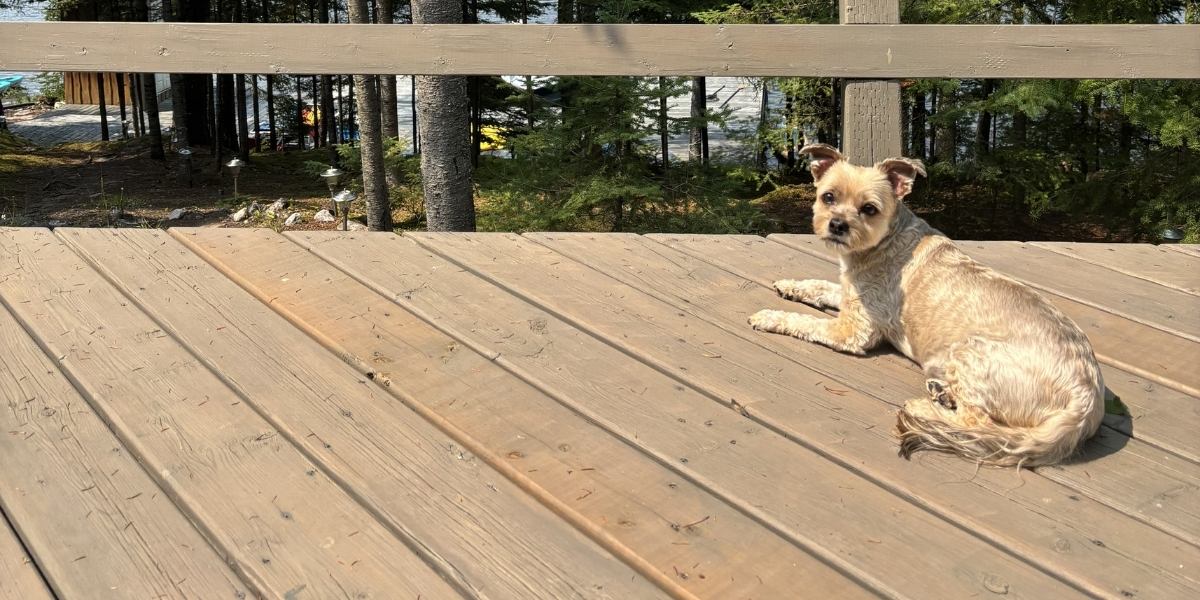
Height8.5–11.5 inches
WeightApproximately 7–13 pounds
TemperamentFriendly, playful and alert
CoatLong, soft double coat
Havanese breed overview
The Havanese is Cuba’s national dog and the country’s only native breed. Although classified in the Toy Group, this is not a fragile ornamental dog. A well-bred Havanese is compact, sturdy and lively, with a characteristic springy movement and a tail carried over the back.
The breed was developed primarily for companionship. That history still shows in modern Havanese: they usually want to participate in household life, follow their people from room to room and turn ordinary activities into social events. Their adaptability makes them appealing, but their need for company should be considered before bringing one home.
Is a Havanese right for you?
A Havanese may be a good match if you want an affectionate indoor companion and can commit to coat care, reward-based training and plenty of interaction. It may be a poor match if the dog will routinely be left alone for long stretches or if you want a very low-maintenance coat.
Havanese temperament and family life
The breed standard describes the Havanese as friendly, playful, alert and intelligent. Individual dogs vary, but many are outgoing, affectionate and eager to engage with their families. They are often called “Velcro dogs” because they prefer being near their people.
Havanese can do well with respectful children and other compatible pets. Early, positive exposure to different people, surfaces, sounds and situations helps puppies become confident adults. Interactions between dogs and young children should always be supervised, regardless of breed or size.
Because they are sensitive and people-focused, Havanese generally respond best to calm, reward-based teaching. Harsh corrections and outdated dominance methods can create fear or confusion. Short sessions using food, toys and praise are usually more productive.
Being left alone
Some Havanese cope with reasonable periods alone after gradual training, but some are prone to separation anxiety if left alone for too long. Build alone-time skills slowly, provide an appropriate safe space and avoid assuming that a small companion dog will be content in isolation all day. Sudden destructive behaviour, persistent vocalizing or panic should be discussed with a veterinarian or qualified behaviour professional.
History of the Havanese
The Havanese belongs to the broader Bichon family of small companion dogs and has a rich history within that group. Its ancestors, including the extinct bichon tenerife, likely passed through the canary islands before traveling to Cuba with European settlers, and spanish farmers helped bring these small companion dogs during the colonial period, where they developed into a distinct Cuban breed. The dogs became prized companions in Havana and were historically known by names such as the Havana Silk Dog, and the Havanese is the only breed native to Cuba.
The Cuban Revolution nearly drove the breed to extinction on the island. Dogs taken abroad by Cuban families helped establish the modern North American population. Today the Havanese is recognized internationally and remains closely associated with Cuba.
Size, structure and appearance
The American Kennel Club standard gives an acceptable adult height range of 8.5 to 11.5 inches at the withers, with 9 to 10.5 inches considered ideal. Havanese are small toy dogs, and many adults fall around 7 to 13 pounds, though weight is not fixed in the standard. Healthy condition matters more than chasing a particular number on the scale.
The body is slightly longer than tall, a balanced outline seen in many toy breeds. The breed’s plumed tail, expressive eyes and light, springy gait are defining features. Puppies mature at different rates; family lines, nutrition and overall health all influence growth. “Teacup Havanese” is not a separate recognized size or variety, and not a separate breed, but a marketing label for especially small dogs.
For a closer look at development, see our Havanese size and growth guide.
Coat types, colours and colour changes
The adult Havanese has a long, soft double coat that may be straight, wavy or form cords, and the havanese coat can also present a curly texture depending on the dog. The breed appears in a broad range of colours and patterns, including black, white, cream, gold, red, chocolate, silver, sable, brindle and parti-colour combinations.
Coat colour can change as a puppy matures. Sable tipping may fade, dark coats may silver, and markings can become more or less prominent. Genetics make the final adult colour difficult to predict from a very young puppy. In a bichon havanese puppy or adult, colour should never matter more than health, temperament and responsible breeding practices.
Explore the complete Havanese colours guide for examples and terminology.
Grooming and coat maintenance
The Havanese is considered a low-shedding breed, but low shedding does not mean low maintenance. Loose hair tends to remain in the coat, where it can form tangles and mats. Long coats generally need frequent, thorough brushing from the skin outward, with daily brushing recommended to prevent matting. Areas behind the ears, under the legs and around the collar are common trouble spots, and frequent grooming can also help spot skin problems early, including itchy skin linked to allergies.
Bathing frequency depends on coat length, activity and skin needs, but most Havanese should be bathed no more than twice a month unless a veterinarian advises otherwise. Nails, ears, eyes and teeth also require routine attention, including routine eye cleaning and monthly nail trims if the nails are not worn down naturally. Many pet owners choose a puppy cut because it is easier to maintain, and a short haired havanese still needs brushing and regular appointments. Many owners also book professional grooming every 4–6 weeks.
See our Havanese grooming guide and popular Havanese haircut styles.
Are Havanese hypoallergenic?
No dog is completely hypoallergenic. Havanese shed less visibly than many breeds and some people with allergies tolerate them better, but allergens are also found in dander, saliva and urine. Anyone with dog allergies should spend time around adult Havanese before committing and consult a medical professional about their individual risk.
Read the full explanation in Are Havanese Hypoallergenic?
Training, socialization and exercise
Havanese are bright and often enjoy learning. Begin with name recognition, handling, housetraining, recall and calm behaviour around people and other dogs. Keep sessions short and successful, and reward the behaviour you want repeated.
Most healthy adult Havanese need around 30 minutes of daily activity, though exercise should still suit the dog’s age and condition, and that time can often be split into two walks. As a highly intelligent breed, they also need plenty of indoor playtime and mental stimulation; walks, play, scent games and short training sessions can provide both physical and mental outlets, and interactive toys can help provide mental exercise. Many Havanese also enjoy agility, rally, obedience, trick training and therapy work, with agility and obedience training often being particular favourites.
Visit the Havanese training section for step-by-step guidance.
Do Havanese bark a lot?
Many Havanese are alert barkers, particularly at doors, windows or unfamiliar noises. They are not guaranteed to be quiet. Genetics, environment, unmet needs and learned habits all affect barking. Reward calm behaviour, reduce rehearsals at common triggers and teach an alternative such as going to a mat.
For more help, see training a Havanese not to bark.
Health and lifespan
Havanese often live 14 to 16 years. Good breeding, preventive veterinary care, appropriate nutrition, quality dog food, dental care, exercise and healthy body condition all contribute to quality of life and help support long, happy, healthy lives while reducing obesity-related problems.
Like every breed, Havanese can be affected by inherited and acquired health conditions. Issues discussed in the breed include hereditary patellar luxation and eye disorders, as well as hip problems, hearing loss and certain cardiac or liver conditions. Progressive Retinal Atrophy (PRA) can lead to blindness, cataracts may appear as early as six months, patellar luxation causes the kneecap to slip out of place, and Legg-Perthes disease can affect puppies around 6–9 months. A list on the internet cannot diagnose an individual dog; changes in movement, vision, hearing, appetite, energy or behaviour warrant veterinary advice.
For current breed-specific screening information, prospective puppy buyers can review the Orthopedic Foundation for Animals database and recommendations from the national breed club. A CHIC number means the required screenings were completed and made public; it does not necessarily mean every result was normal.
Use our Havanese health hub as a starting point, and discuss medical decisions with your veterinarian, including regular check-ups for breed-specific health issues.
Choosing a responsible Havanese breeder
A responsible breeder should be willing to discuss temperament, pedigree, health testing and how puppies are raised. Ask for the registered names of both parents, confirm that healthy breeding stock was screened for hereditary conditions before puppies were produced, and verify health-screening results yourself rather than relying on phrases such as “vet checked.” Meet the breeder and, when practical, the puppy’s mother or other adult relatives.
Confirm relevant health tests and review the actual results, including eye screening and any PRA risk noted in the records.
Ask how puppies are socialized from an early age and matched with homes.
Expect a written contract and a plan for lifetime support.
Avoid sellers who always have numerous litters, will not answer questions or pressure you to pay immediately.
Remember that registration alone does not guarantee health or responsible breeding, and that responsible dog ownership starts with choosing a breeder whose practices match the breed’s needs.
Canadian breedersBrowse listings by province →US breedersBrowse listings by state →Verify health testsSearch OFA records →
What does a Havanese look like?
A Havanese is a small, sturdy toy dog with drop ears, expressive almond-shaped eyes, a long silky double coat, and a plumed tail carried over the back. The coat may be straight, wavy, or curly and comes in many shades and patterns. Adults generally stand 8½ to 11½ inches at the shoulder and weigh 7 to 13 pounds. See the range of coat colours and markings and our adult size and weight guide for more detail.
Havanese history and Cuban origin
The breed developed in Cuba from small Bichon-family companion dogs brought to the island by European settlers. Havanese became cherished household companions, particularly among Cuban families. After the Cuban Revolution, a small number of dogs travelled with families leaving the country, and breeders in the United States helped rebuild the population. Today the Havanese remains Cuba’s national dog and is still primarily valued as a sociable companion.
Havanese facts at a glance
| Fact | Typical Havanese |
|---|---|
| Breed group | Toy and companion breed |
| Origin | Cuba |
| Adult height | 8½–11½ inches at the shoulder |
| Adult weight | 7–13 pounds |
| Coat | Long, silky double coat; straight, wavy, curly, or corded |
| Shedding | Low shedding, but regular grooming is essential |
| Temperament | Social, playful, intelligent, and people-oriented |
| Typical lifespan | Often about 14–16 years; individual dogs vary |
Those traits make the breed appealing to many homes, but prospective owners should also consider how Havanese fit into family life and the time required for routine coat maintenance.
Is a Havanese a terrier?
No. Despite occasional searches for “Havanese terrier,” the Havanese is a toy and companion breed, not a terrier. It was developed for companionship rather than the hunting and vermin-control work associated with many terriers. Individual Havanese can still be lively, curious, and vocal, so consistent reward-based training remains important.
Havanese FAQ
Are Havanese good family dogs?
They can be excellent family companions when children interact respectfully and the dog receives socialization, training and sufficient attention.
Are Havanese suitable for apartments?
Often, yes. Their small size and adaptable nature suit apartment living, but they still need daily activity, training and a plan for barking and time alone.
Are Havanese easy to train?
Many learn quickly and enjoy working with people. Consistent reward-based training is usually the best approach.
Do Havanese get along with other pets?
Many do, especially when they’re socialized early and introduced carefully, and many Havanese can live well with other animals. Compatibility still depends on the individual animals.
Do Havanese need professional grooming?
Not necessarily, but owners must learn thorough coat care or schedule regular professional grooming. The havanese coat needs regular brushing, and many owners prefer a puppy cut for easier upkeep. Long coats require considerably more upkeep than short pet trims, and professional grooming every 4–6 weeks can help maintain a shorter pet trim.
Trusted sources and further reading
Breed facts were checked against the American Kennel Club Havanese profile, the official Havanese breed standard, the Havanese Club of America and the Orthopedic Foundation for Animals. This guide is educational and is not a substitute for veterinary diagnosis or treatment.
Explore more Havanese guides
Continue with our guides to how much Havanese dogs shed, when Havanese finish growing, and whether Havanese are easy to housebreak; if you’re planning for a havanese puppy, also budget for potty training, high quality dog food made for small breeds, and routine ownership costs. A Havanese puppy typically costs £1,000–£1,800, with ongoing costs of about £50 a month, initial vaccines at £40–£70, pet insurance around £403 a year, and neutering at £110–£300.